 Bothbest Bamboo


Buyer Guide Spotting Premium Quality Bamboo Flooring

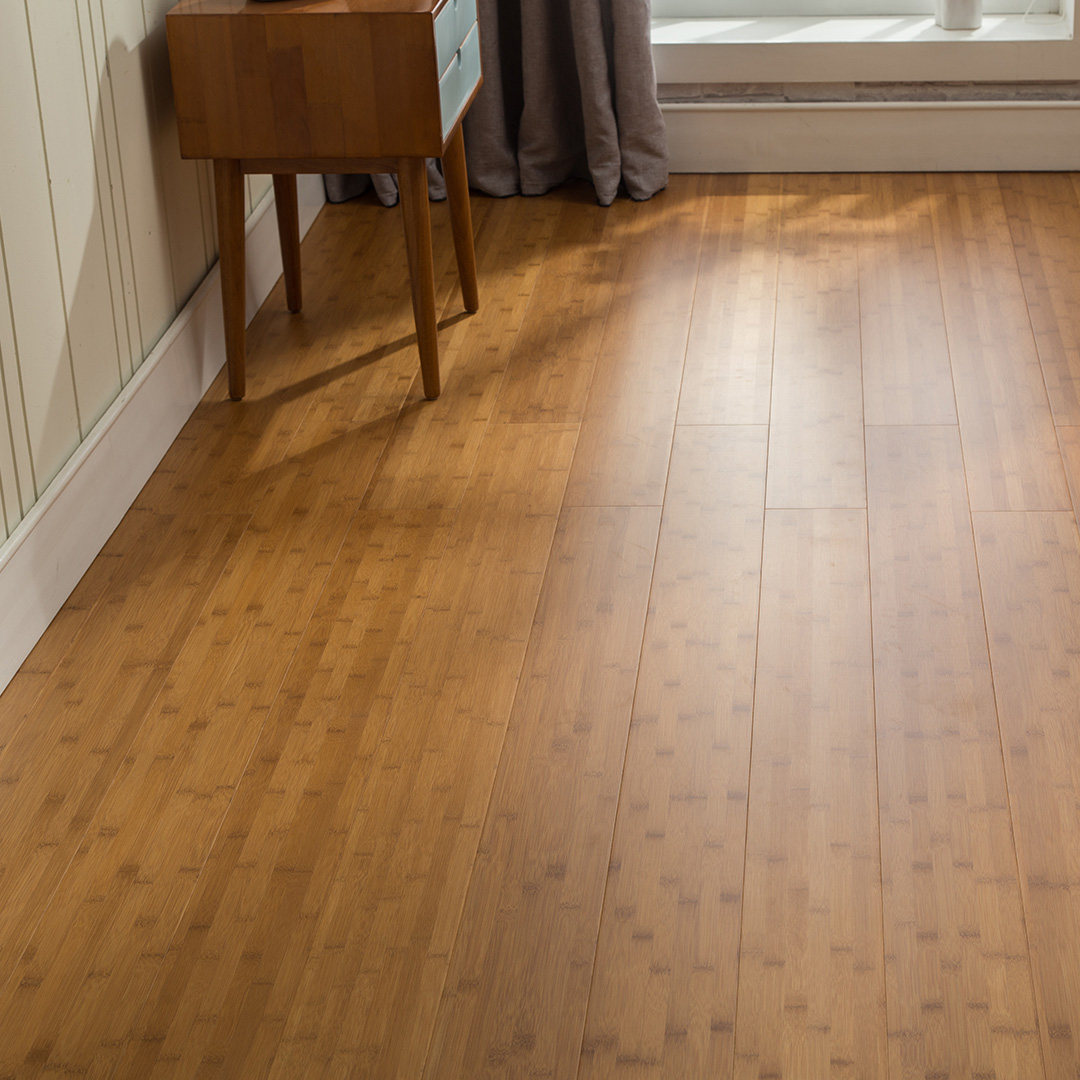
When you stroll through a newly completed modern home or a high-end commercial showroom, a premium natural floor stands out immediately. It provides a visual weight, an organic depth, and a structural solidity that binds the entire architectural design together. Among the array of eco-friendly materials available, bamboo flooring has established itself as an exceptional choice for architects, developers, and discerning homeowners who refuse to compromise on visual warmth or environmental responsibility.
However, as the global demand for sustainable building materials has surged, the marketplace has become flooded with a vast spectrum of products. On the surface, two different samples of bamboo might look nearly identical when viewed on a small display board under showroom lighting. Yet, their long-term performance, structural integrity, and chemical safety profiles can represent opposite ends of the quality spectrum.
Investing in your property infrastructure requires looking past glossy marketing brochures. To protect your investment and avoid the costly trap of buying a product destined for premature failure, you must master the art of distinguishing cheap, mass-market alternatives from premium, legacy-grade bamboo materials. Here is a master guide to recognizing the crucial indicators of true manufacturing excellence.
1. The Raw Material Heritage: Mature vs. Premature Harvesting
The lifespan and durability of any bamboo plank are decided years before the material ever enters a production facility. It begins with the biological maturity of the grass stalk at the exact moment of harvest.
Moso bamboo, the dominant species utilized for high-performance flooring, is a botanical marvel. It shoots out of the ground and reaches its full physical height in a matter of months. However, the raw, young stalk is incredibly watery and soft. It takes between five and seven years of continuous growth for the plant to replace its internal moisture with dense, tightly packed cellulose fibers and natural silicates. This natural aging process is what gives the grass its legendary tensile strength and density.
Cheap manufacturers frequently cut costs by harvesting immature stalks that are only three to four years old. This younger grass is far cheaper to source because it allows for rapid crop rotation, but the resulting fibers lack structural density. Planks milled from premature bamboo are soft, porous, and highly susceptible to deep denting from heavy furniture, scratching from pet claws, and severe warping when exposed to minor shifts in indoor humidity.
Premium brands enforce strict raw material grading. They only harvest stalks that have reached peak maturity at five to seven years. This ensures that the natural fiber matrix is fully developed and ultra-dense, providing an unyielding foundation that can withstand intense daily life for generations.
2. The Internal Manufacturing Layering and Core Balance
If you examine a cut sample piece of bamboo flooring from the side, the cross-section reveals the structural philosophy of the manufacturer. This is especially true when comparing engineered profiles, which feature a top bamboo wear layer bonded to an underlying core.
Cheap engineered planks often use a highly vulnerable construction method. They feature a thin top slice of bamboo glued to a low-density fiberboard or a cheap, soft wood backing made of mismatched scrap timber. Furthermore, these underlying layers are often oriented in a single direction. When the indoor climate changes, these unbalanced layers expand and contract at wildly uneven rates. The result is a floor that quickly begins to cup, delaminate, or pull apart at the seams within just a few seasonal cycles.
Premium engineered planks are built on a foundation of balanced cross-lamination. The underlying core typically consists of multiple layers of high-density birch plywood or selected hardwood strips. Each individual layer is glued running exactly perpendicular to the layer above and below it. This cross-grain matrix completely neutralizes the natural forces of expansion and contraction. When one layer wants to move due to an increase in atmospheric moisture, the adjacent perpendicular layer holds it firmly in place. This advanced structural balance ensures that the floor stays flat, stable, and true through intense summer heat and dry winter air.
3. Milling Precision, Tolerances, and Profile Interlocking
The physical experience of installing a floor reveals the mechanical precision of the factory where it was made. High-quality flooring relies on microscopic tolerances during the milling of the tongue-and-groove or click-lock profiles.
Cheap flooring lines are often processed on aging, poorly calibrated machinery or at high speeds that bypass strict quality audits. When the cutting heads are worn, the interlocking joints suffer from subtle variances. When an installer attempts to piece these planks together, they encounter slight height variations between boards, known as overwood, as well as microscopic gaps along the long seams. These tiny structural imperfections might seem minor initially, but over time, they catch dirt, allow moisture to seep deep into the core during cleaning, and create friction points that cause the floor to creak and squeak under foot.
Premium brands treat milling like high-precision engineering. They pass their materials through cutting-edge, computerized machinery that holds tolerances down to fractions of a millimeter. Every tongue, groove, and locking mechanism fits together with absolute, seamless perfection. When the floor is laid down, it forms a single, continuous, perfectly flat plane. The joints snap home with a tight, tactile engagement that locks out moisture and eliminates any potential for post-installation shifting or noise.
4. Coating Resilience and the Visual Depth of the Finish
The clear topcoat applied to a plank serves as the primary shield protecting the natural fibers from daily wear, UV light, and liquid spills. The type and application method of this finish represent a massive cost difference between cheap and premium products.
Cheap products are often treated with a minimal number of air-dried polyurethane coatings. These budget finishes sit lazily on top of the bamboo material rather than bonding with it. They are soft, highly susceptible to scuffing, and prone to micro-cracking when a heavy object is dropped on the floor. Furthermore, these cheap finishes often feature an unnatural, high-gloss plastic sheen that obscures the beautiful marbling of the natural grain, making the entire floor look synthetic.
Premium manufacturers utilize advanced multi-coat finishing lines, often applying between seven and nine distinct layers of aluminum oxide or ceramic-infused finishes. Each individual layer is dried and cured instantly under specialized ultraviolet lights right on the production line. This process molecularly bonds the finish to the underlying grass fibers, creating a hyper-resilient, clear armor plate. These premium finishes are typically applied in elegant matte or satin finishes that diffuse light beautifully, camouflaging everyday dust while highlighting the organic depth and unique marbling of the underlying material.
5. Chemical Accountability and Air Quality Transparency
The final, and perhaps most critical, difference between cheap and premium flooring is completely invisible to the eye: the chemistry of the binding adhesives. Because bamboo relies on resins to fuse its strands into a solid plank, the quality of those glues dictates the safety of your indoor air.
Cheap factories prioritize cost reduction by relying on older, low-grade urea-formaldehyde resins. These glues are highly effective at holding fibers together cheaply, but they gradually release toxic volatile organic compounds into the indoor air of a building for years after installation. This process, known as off-gassing, can trigger respiratory irritation, headaches, and long-term health concerns in tightly sealed, modern energy-efficient homes.
Premium brands prioritize environmental purity and human wellness. They build their planks using advanced water-based polyurethanes or specialized glues that contain no added formaldehyde. These premium lines are backed by rigorous third-party certifications such as FloorScore or Greenguard Gold. Securing these independent stamps of approval proves that the flooring meets the strictest chemical emission standards in existence, ensuring that your choice of a sustainable material actually supports a clean, healthy, and non-toxic interior environment.
By focusing on these five structural realities—material maturity, balanced core construction, milling precision, finish engineering, and chemical transparency—you can look past deceptive discount pricing and invest in a premium, high-performance surface that enhances both the value and the longevity of your property portfolio.
About Bothbest: Bothbest is a professional factory of bamboo flooring in China, dedicated to manufacturing and exporting premium solid and engineered bamboo products worldwide. With advanced production machinery and strict quality control, Bothbest delivers durable, eco-friendly, and precisely crafted flooring solutions tailored to meet global residential and commercial architectural standards.
Support & Share
If this article helped you, please share or support!
Music
No playing