 Bothbest Bamboo


CNC Machining Bamboo Plywood

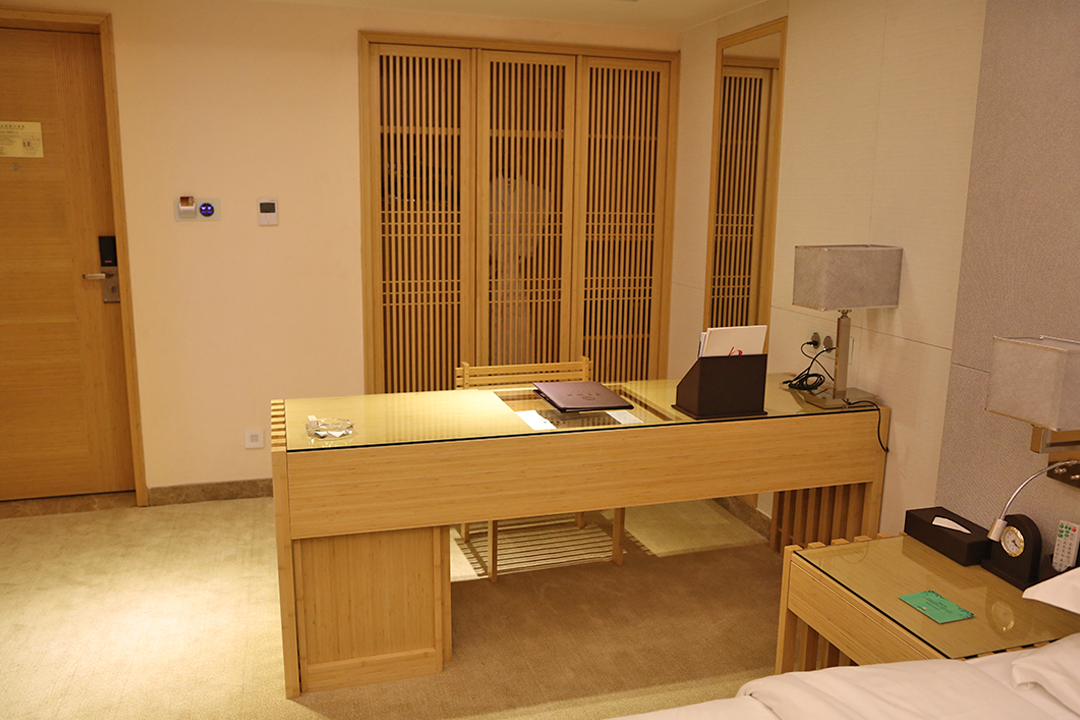
Working with bamboo plywood offers a compelling mix of sustainability, striking aesthetics, and impressive structural strength. Derived from a fast-growing grass rather than traditional timber, this engineered material has steadily found its way into high-end cabinetry, architectural panels, custom furniture, and musical instruments. However, the exact structural traits that make it durable also introduce a distinct set of challenges when it comes to computer numerical control (CNC) machining.
Many operators approach bamboo expecting it to behave like typical hardwood plywood, such as birch or maple. This assumption often leads to burned edges, rapidly dulled tooling, and frustrating material tear-out. To achieve clean, repeatable results, a CNC machinist must understand the dense fiber composition of the material, establish precise cutting parameters, and manage the inevitable tool wear that occurs during production.
Understanding the Material Structure
To machine bamboo effectively, you must first understand how it is put together. Because bamboo is a grass, its stalk lacks the uniform cell structure and growth rings found in trees. Instead, it is composed of highly dense vascular bundles surrounded by softer parenchymal tissue. When processed into plywood, these stalks are sliced into strips, treated, dried, and laminated together under immense heat and pressure using specialized adhesives.
The orientation of these strips dictates how the material will react to a spinning cutting tool. Bamboo plywood is generally available in three primary configurations:
- Vertical Grain: The narrow edges of the bamboo strips face upward, creating a fine, linear grain pattern across the surface. This configuration tends to be the most uniform to machine, though it can still split if cut too aggressively.
- Horizontal Grain: The wide faces of the strips are laid flat, showcasing the characteristic nodes or “knuckles” of the bamboo stalk. The alternating density between the hard nodes and softer internode sections can cause subtle variations in cutting resistance.
- Strand Woven: This variety is made by crushing the bamboo fibers, mixing them with heavy resins, and compressing them into ultra-dense blocks before slicing. Strand woven material is incredibly hard and abrasive, behaving more like a dense composite or a tropical hardwood than a traditional laminate.
Beyond the fibers themselves, the manufacturing process introduces a high concentration of silica—a naturally occurring mineral that bamboo absorbs from the soil. When combined with the tough phenolic or urea-formaldehyde resins used to glue the plies together, you get a material that acts like fine sandpaper against cutting edges. The high silica content is the primary culprit behind accelerated tool dulling, making tool selection and feed rate optimization critical.
Deciphering Feed Rates and Spindle Speeds
Optimizing your feeds and speeds when cutting bamboo plywood is a delicate balancing act between heat generation and chip load. Chip load represents the actual thickness of the material chip that each tooth of the router bit shears off during a single revolution.
If your chip load is too small, the tool rubs against the material instead of cutting it, generating friction and extreme heat. If the chip load is too large, the cutting forces will overwhelm the material, leading to severe tear-out on the edges or even breaking the tool.
Because bamboo is highly prone to scorching, maintaining a healthy chip load is paramount. The chips carry the heat away from the cutting zone. If you notice a sweet, sugary smell or see wisps of smoke, your feed rate is likely too slow, or your spindle speed is too high.
Initial Starting Parameters
For a standard three-quarter-inch multi-layer bamboo plywood panel using a quarter-inch solid carbide compression bit, a dependable starting point helps prevent initial tool damage or material ruin.
If you are running a standard commercial CNC router, set your spindle speed around eighteen thousand revolutions per minute. To match this rotation and maintain an appropriate chip load, configure your linear feed rate between one hundred fifty and one hundred eighty inches per minute.
If your machine is highly rigid and features a high-power spindle, you can often scale these numbers upward. For instance, raising the feed rate to two hundred fifty inches per minute while keeping the spindle at eighteen thousand revolutions per minute increases the chip load, which cools the tool effectively, provided the machine can handle the increased lateral force without flexing.
Depth of Cut and Pass Strategy
Attempting to cut through three-quarter-inch bamboo plywood in a single pass is rarely advisable on light to medium-duty CNC routers. The dense grain and heavy glue layers offer immense resistance.
A safer and cleaner approach involves utilizing multiple passes. A good rule of thumb is to set your depth of cut equal to the diameter of your tool. For a quarter-inch bit, make your passes a quarter-inch deep, requiring three total passes to clear the full profile.
When executing multiple passes, leaving a small amount of material—roughly fifteen to twenty thousandths of an inch—for a final, full-depth skin pass can yield pristine edge quality. This light finishing pass cleans up any minor stepover marks left by the roughing passes and ensures a uniform surface finish.
Tooling Selection and Wear Expectations
The abrasive nature of bamboo means your choice of cutting tool directly impacts your project’s profitability and finish quality. Standard high-speed steel bits will dull almost immediately when exposed to the silica and resin matrix of bamboo plywood, making solid carbide or specialized coatings mandatory.
Geometry Options
The geometry of the flute determines how the chips are evacuated and how the edges of the plywood are supported during the cut.
- Upcut Spiral Bits: These tools pull chips upward and out of the cut efficiently, which is excellent for deep pocketing or grooving. However, they tend to lift the top veneer of the bamboo plywood, causing fuzzy edges or outright chipping on the top surface.
- Downcut Spiral Bits: These bits push the chips downward, compressing the top layer of veneer against the core. This action leaves a perfectly clean top edge. The downside is that chips are packed into the dado or profile groove, which can trap heat if you are making deep cuts.
- Compression Bits: Widely considered the gold standard for plywood machining, compression bits feature an upcut geometry at the very tip and a downcut geometry on the upper portion of the shank. When cutting at full depth, the tool simultaneously pulls the bottom veneer upward and pushes the top veneer downward. This dual action prevents chip-out on both faces of the sheet, assuming your first pass is deep enough to engage the downcut portion of the flute.
Tool Wear Realities
When machining bamboo plywood, you must accept that tool life will be significantly shorter than when cutting Baltic birch, MDF, or standard oak plywood. The abrasive silica wears down the razor-sharp apex of the carbide edge, rounding it over over time.
As a tool dulls, it exhibits several predictable warning signs. The first indicator is a change in the sound of the machine; a sharp bit produces a crisp, consistent hum, while a dull bit creates a deeper, straining roar. Next, you will notice increased friction, resulting in localized burning along the cut edge, particularly in corners or during lead-in moves where the machine slows down. Finally, the exit edges of the cut will begin to show significant splintering and tear-out rather than clean shears.
To combat premature wear, consider upgrading to tools coated with titanium carbonitride or diamond-like carbon. These coatings reduce friction and protect the underlying carbide from thermal degradation. For high-volume industrial production, polycrystalline diamond tooling provides the ultimate solution, lasting up to fifty times longer than solid carbide, though at a significantly higher upfront cost.
Managing Tear-Out and Material Defects
Bamboo fibers are long, continuous, and exceptionally tough. When a CNC bit exits a cut across the grain, it can grab these fibers and peel them away from the core rather than shearing them cleanly. This phenomenon is known as tear-out or splintering, and it can quickly ruin an expensive panel.
To minimize tear-out on the surface, ensure your material is held securely to the CNC bed. Any vibration or lifting of the sheet allows the fibers to flex away from the cutting edge instead of being cut. A robust vacuum table is ideal for this, but if you are using mechanical clamps or a screwdown method, place supports close to the cut path to maximize rigidity.
Another effective technique is to modify your tool path strategy. Utilizing climb milling rather than conventional milling can drastically improve edge quality in bamboo. In climb milling, the router bit rotates in the direction of the feed, cutting from the thickest part of the chip to the thinnest. This action tends to push the fibers down into the cut, reducing the tendency to lift and peel the veneers. However, climb milling requires a rigid machine; if your CNC router has excessive backlash or flexibility, the tool can grab the material and wander off course.
Workspace Integration and Practical Applications
The dust generated by CNC machining bamboo plywood is notably different from standard wood dust. Because of the fine grain and heavy resin content, the waste consists of a mixture of highly abrasive fine powder and long, needle-like splinters.
A high-velocity dust collection system equipped with a fine-particle filter is essential. The fine dust can quickly clog standard shop vacuens and poses a respiratory hazard, while the heavier splinters can easily lodge themselves in your machine’s linear rails, lead screws, or rack-and-pinion drives. Regular maintenance cycles—wiping down rails and applying fresh lubrication—should be performed more frequently when running bamboo jobs to prevent the abrasive dust from wearing out your machine’s mechanical components.
The unique properties of bamboo plywood make it a popular alternative to traditional sheet goods in various interior applications. Its water resistance and dimensional stability often lead designers to specify it for spaces that see frequent use and cleaning.
Interestingly, many fabrication shops treat bamboo plywood using workflows adapted from the production of bamboo flooring, a commercial segment that pioneered the mass milling of this material. The lessons learned in the flooring industry regarding tool geometry and heat management translate directly to the CNC router table. For instance, the heavy-duty sealer coats applied to flooring products highlight the need for sharp, clean edges during the raw fabrication phase, as any loose fibers will prevent finishes from adhering evenly.
Post-Machining Prep and Edge Treatment
Once your parts are successfully cleared from the CNC bed, finishing the edges requires a methodical touch. Because bamboo is a grass with alternating dense and porous layers, the machined edges will absorb finishes unevenly if not prepped correctly.
Start by sanding the edges with a hard sanding block rather than an orbital sander. A soft pad will roll over the edges, rounding off the crisp corners you achieved on the machine. Begin with a one-hundred-grit abrasive to remove any minor tooling marks or fuzzing, then step up to one hundred fifty and finally two hundred twenty grit.
Avoid over-sanding the surface plies. The top veneer of bamboo plywood is often quite thin, and an aggressive sander can quickly burn through to the glue layer beneath, leaving an unsightly patch that will not accept stain or clear coat uniformly.
When applying a finish, penetrating oils, hardwax oils, and clear polyurethanes perform beautifully on bamboo, accentuating the deep contrast between the dense nodes and the lighter fiber bands. Apply a light first coat, allow it to dry completely, and then lightly scuff the surface with a fine abrasive pad to knock down any raised fibers before applying subsequent coats. This attention to detail ensures that the precision engineered on your CNC router translates perfectly into a refined, professional end product.
Bothbest Introduction: Bothbest is a professional, FSC-certified bamboo factory based in China that has been manufacturing and exporting premium bamboo flooring, bamboo decking, and bamboo plywood since 2001. Utilizing advanced computerized technology, Bothbest delivers eco-friendly, highly durable, and competitively priced bamboo solutions directly from the manufacturer to global importers, contractors, and builders.
Support & Share
If this article helped you, please share or support!
Music
No playing